It’s been a tough few years for Suunto. Like the rest of the sports watch world it’s had to deal with the success of the Apple Watch, the emergence of Coros and Garmin offering formidable running and outdoor watches at pretty much every price point.
In 2020, it decided to give smartwatches a try when it launched the Wear OS-powered Suunto 7. As our review will tell you though, it didn’t quite hit the mark. Then came watches like the Suunto 9 Peak, and for all of the attractiveness it delivered on the outside, things weren’t so pretty where it mattered.
In 2022, Amer Sports, Suunto’s parent company, sold the Finnish outfit to Chinese technology company Liesheng. The Suunto Vertical arrived in 2023 and finally, it felt like Suunto was back on track.
The next step in that watch renaissance is the Suunto Race, a multisports watch that feels very much geared to those who prefer running road marathons to ultras in the mountains.
We were able to spend some time with the Race at a hush-hush event held by Suunto at the Ultra Trail du Mont Blanc back in September to find out what you can expect from the Suunto Race.
Suunto Race: Price and availability
Like the Vertical, Suunto is offering the Race with either stainless steel or titanium bezels with the stainless steel version priced at $449/£389/449 Euros, jumping up to $549/£479/549 Euros for the titanium Race.
That pricing puts it below the Suunto Vertical and means it’s going up against rival AMOLED sports watches like the Garmin Forerunner 965 and the Polar Vantage V3.
Suunto Race: Design and screen
Wareable
Suunto says the Race is designed for performance sports and does take some design cues from its outdoor-centric Vertical watch.
There’s a similar-sized case, which as mentioned comes with either a stainless steel or titanium bezel. Like the Titanium Vertical, the Racer equivalent is more attractive on the eye and a touch lighter with both versions offering more streamlined cases compared to what we’ve seen from previous Suunto watches.
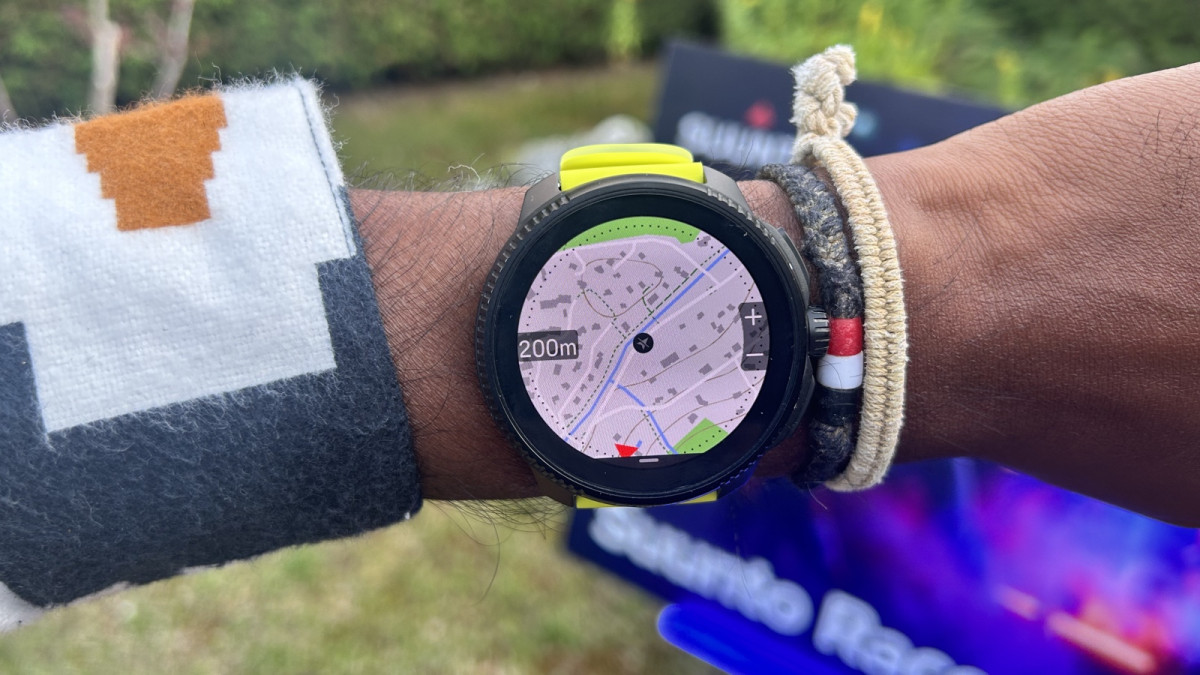
The standout feature is the AMOLED touchscreen. While the now discontinued Suunto 7 was Suunto’s first smartwatch with an AMOLED, the Racer is its first proper sports watch to pack a more colorful, vibrant, smartwatch-style display. It’s a 1.43-inch, 460 x 460 resolution display, so it does match the type of displays packed onto full-fat smartwatches for size, resolution, and overall quality.
Wareable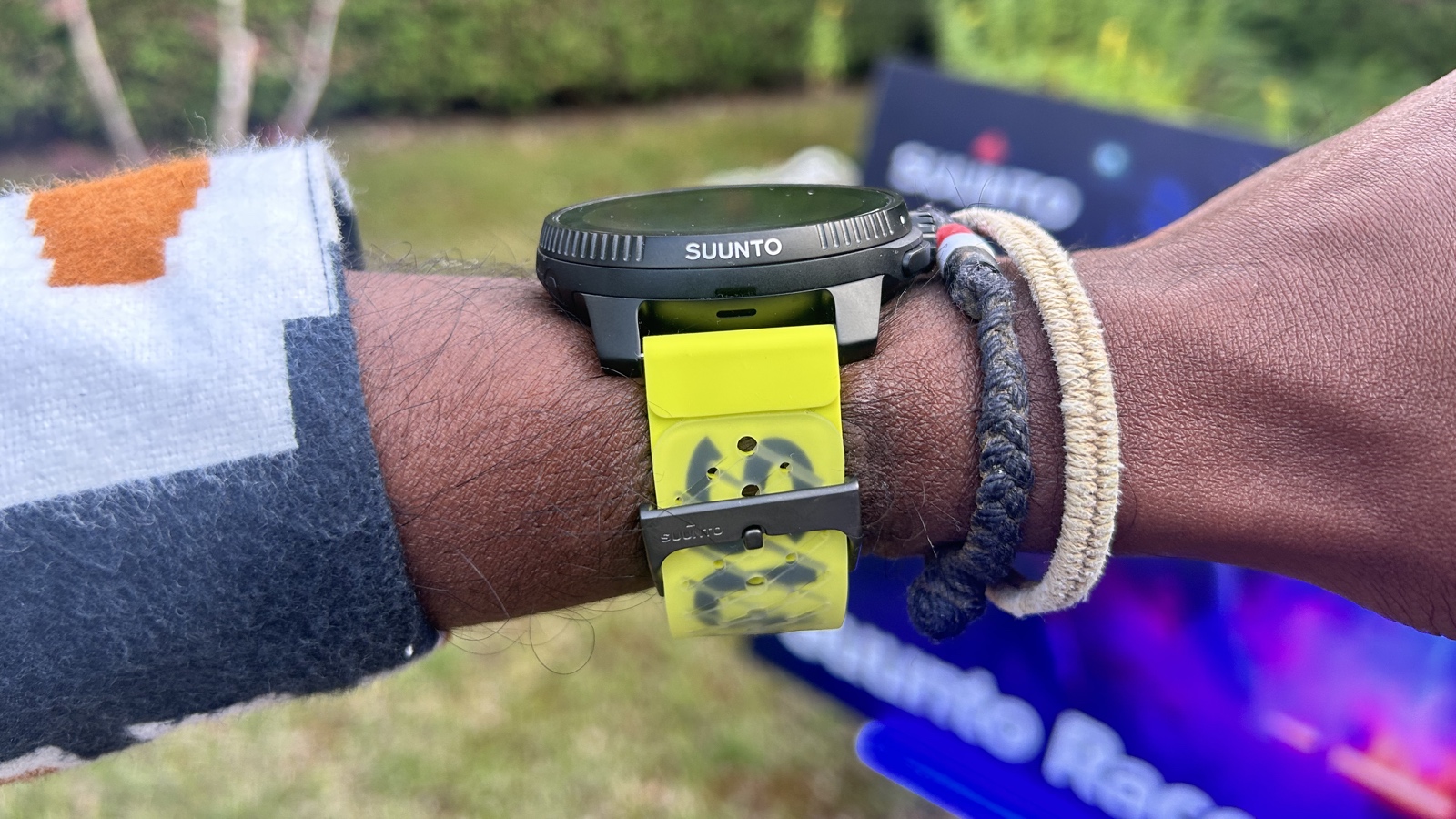
Down one side of the watch case, you’ll find three physical buttons, with a twisting crown type flanked by two flatter ones. Around the back is an optical heart rate sensor with support for blood oxygen measurements, and you will need to use a proprietary charging cable to power the Race up when it runs out of battery.
Wareable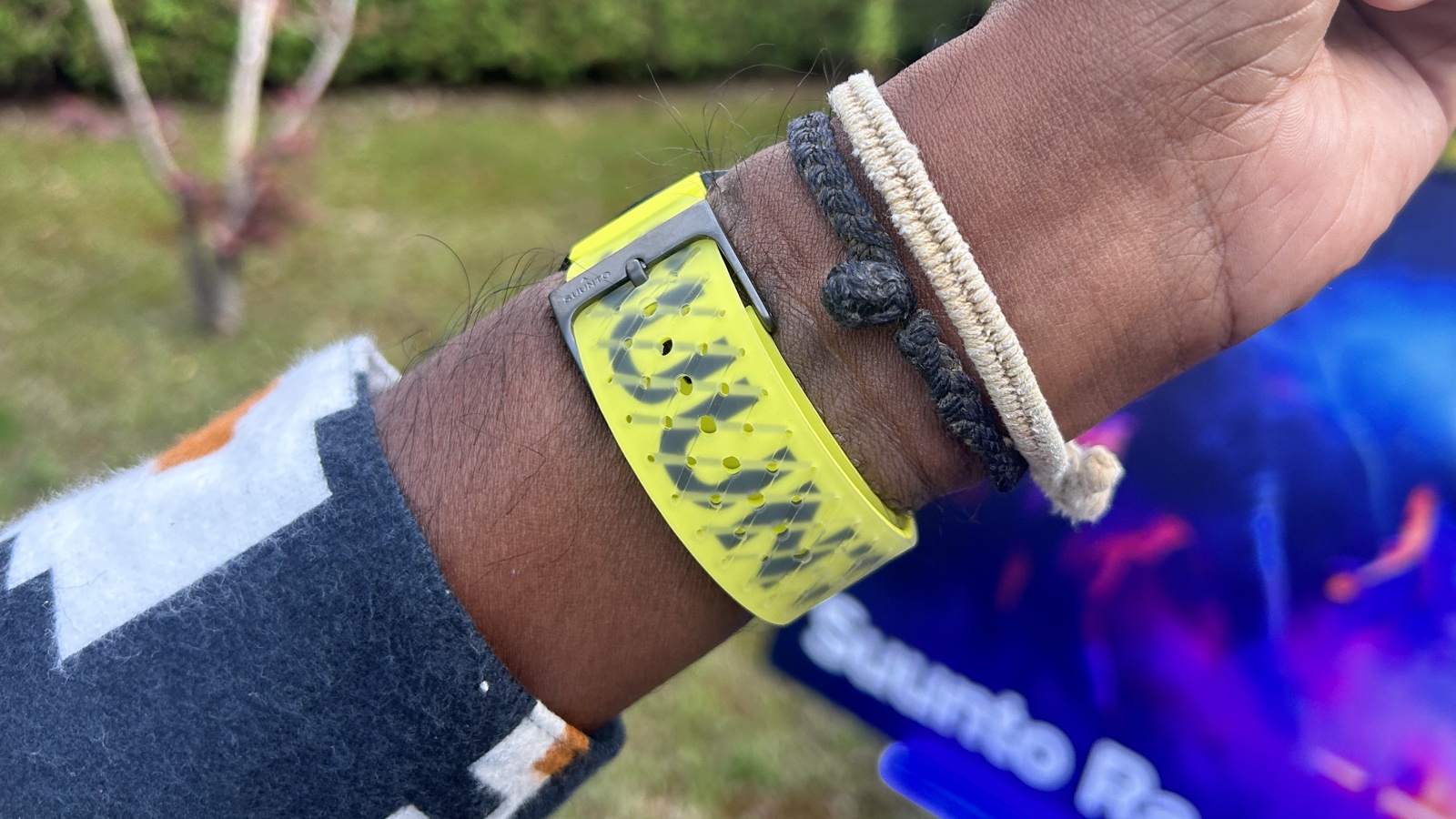
That case is paired up with some new-look silicone straps that seem to indicate Suunto is going to get a bit more playful with its watch bands in general, which is good to see.
Suunto Race: Software and features
Wareable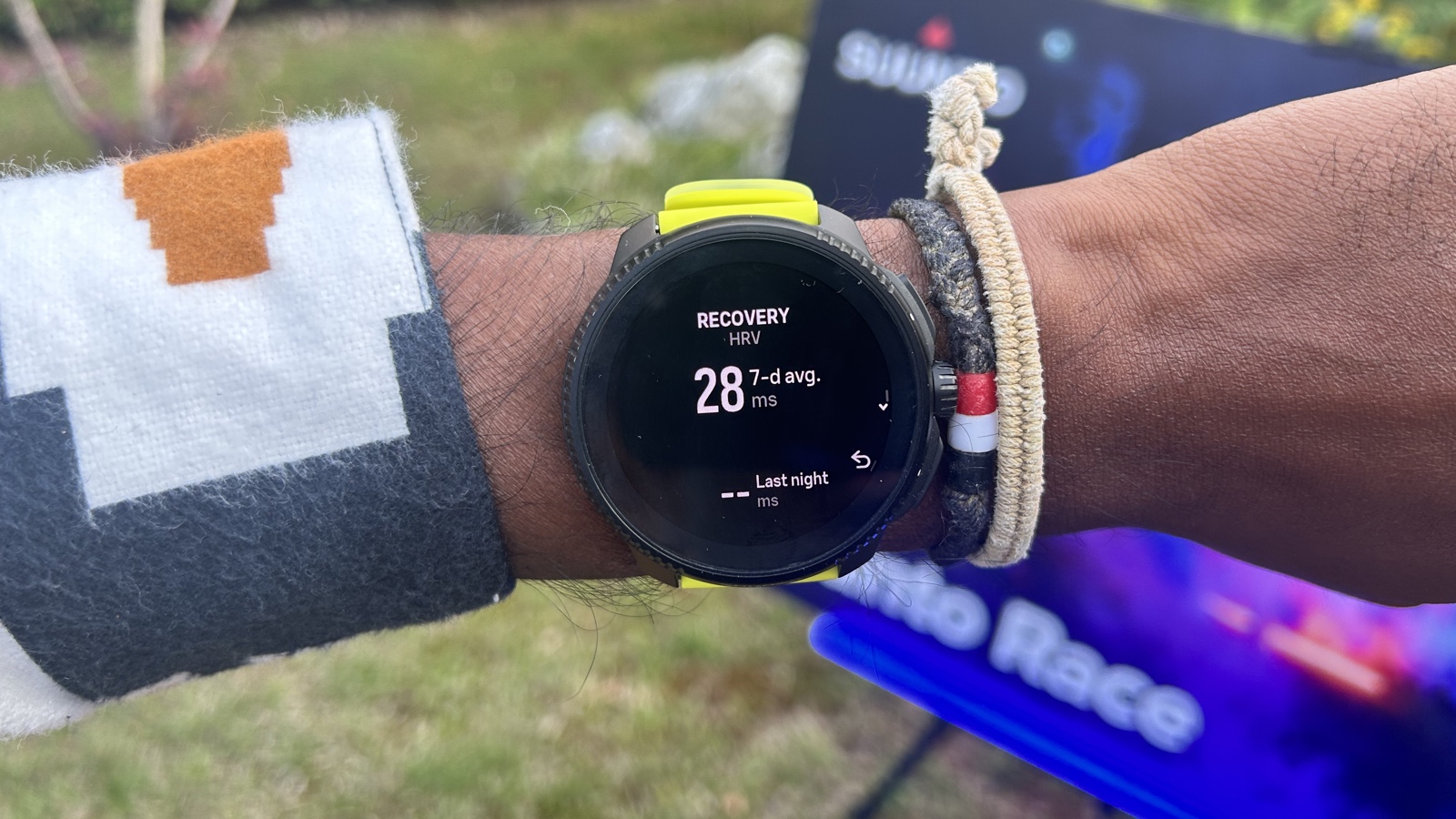
Software is an area we’ve been critical of on Suunto’s most recent watches, both from a performance and presentation point of view. Thankfully, that’s something that has sought to address with the Race. Specifically, it’s promised a revamped user interface that also runs faster than on previous watches.
It’s still an operating system that’s been built in-house and having swiped around that revamped UI, it feels slicker than what we’ve experienced on the Vertical. It’s perhaps not as smooth as interacting with an AMOLED-packing Garmin or something like the Apple Watch Ultra 2, but it does feel like a noticeable improvement with less of the lag that has plagued Suunto watches like its Peak range.
Wareable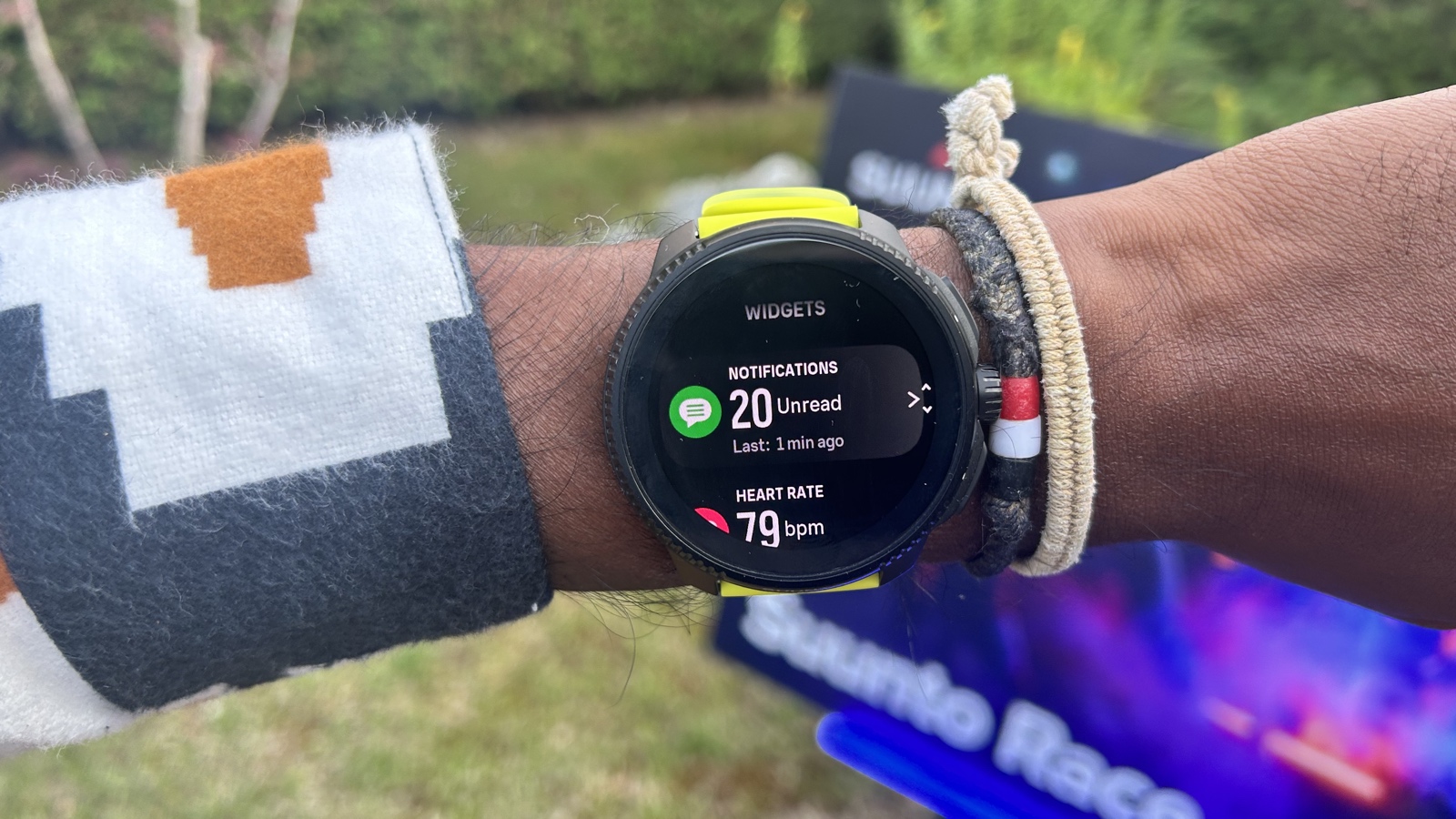
In terms of the new UI layout, it’s taken a leaf out of Garmin’s book, with your stream of widgets just a single swipe away from the main watch screen where you can see information like notifications, health monitoring, sleep as well as altimeter and barometric data.
Swipe in the opposite direction and you’ll jump into the list of supported sports profiles to get tracking. They’re not groundbreaking changes, but changes that needed to be made to simplify using Suunto’s software and make it more intuitive.
Like the Vertical, Suunto includes the dual-band GPS chipset that sits in the category of good dual-band setups and hopefully will be as kind on the battery life as it was on the Vertical. It also gets full mapping support too, with that additional hit of color to bring more mapping detail like being able to display contour lines.
Suunto is also introducing the ability to design your watch screen for races to make sure you have the data you care about and is adding altitude graphs to show uphill and downhill parts of your route.
Wareable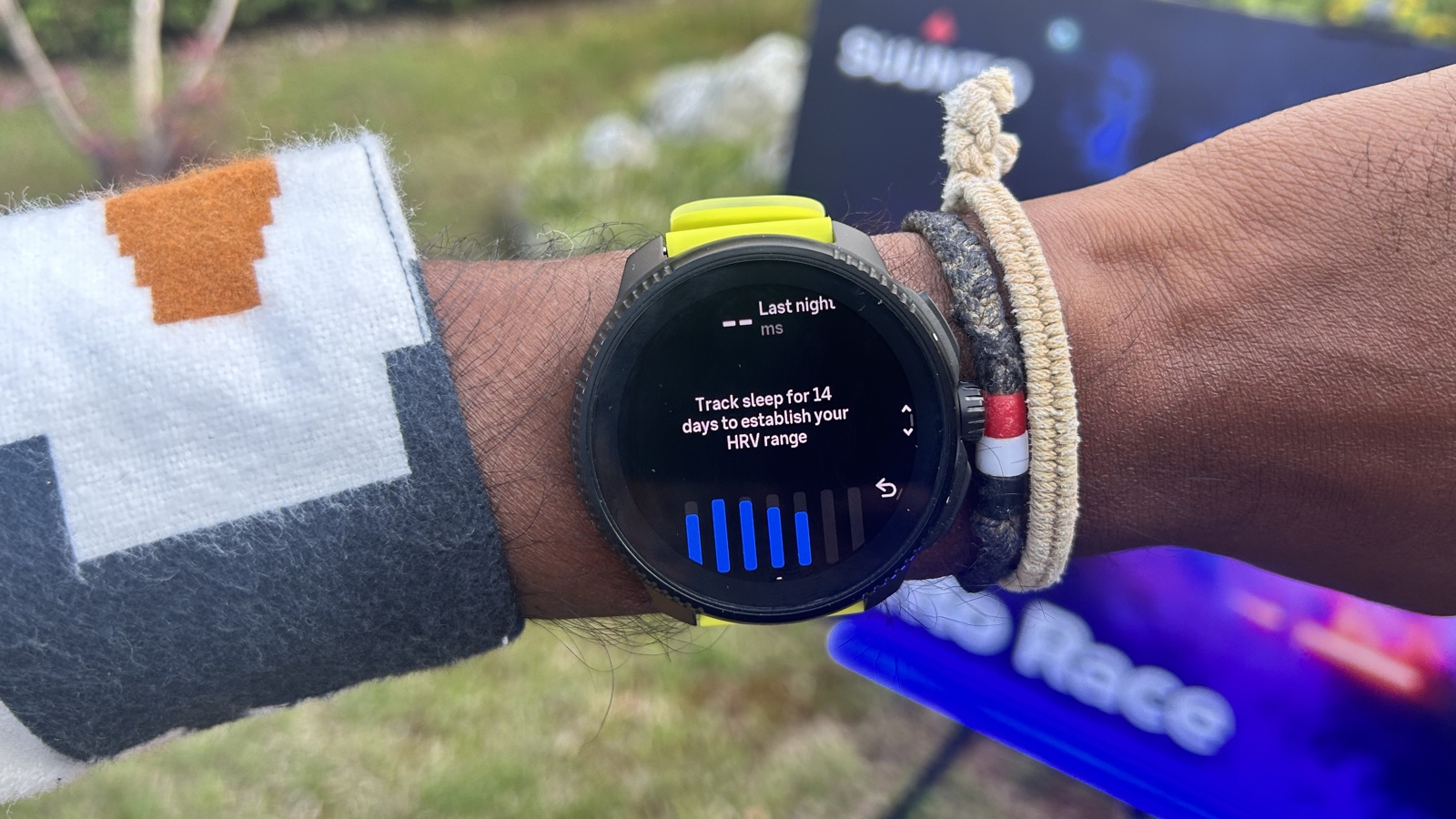
It’s no major surprise to hear that Suunto is harnessing the power of AI to fuel a new coaching mode on the Race and like Garmin and Polar is tapping into heart rate variability measurements to offer insights into your recovery needs.
It tracks HRV during sleep for 14 days before it can establish your HRV range. It sounds similar to Garmin’s HRV Status feature, though at first glance does seem to lack that more user-friendly approach of Garmin’s HRV-fuelled Training Readiness feature.
The Race will also work with the Suunto Plus Store, which sounds like Suunto will be seeking to revamp to give it more of an app storefront feel than previous versions and could work similarly to Garmin’s Connect IQ Store.
There will be smartwatch features here to take advantage of that more vibrant screen, with notifications and music controls as the key ones. Suunto also announced its first-ever set of bone-conduction headphones (Suunto Wing) alongside the Race, though those don’t offer any sort of compatibility with the new Race watch.
Suunto Race: Battery life
When we spoke to Suunto it said it was still working on finalizing the battery life of the Race and spoke about ambitions to get it to last up to 14 days, but couldn’t confirm just yet if it managed to do that. It’s ended up with 12 days and up to 26 days in a basic time mode, though that’s it’s not clear if that’s factoring in having the screen set to always-on.
What is clear is that this is an AMOLED sports watch that won’t just last for a couple of days, which is good to hear.
What it could confirm was that GPS battery life in the top accuracy mode would max out at 40 hours. That’s down from the 60-85 hours promised on the Vertical in its top GPS accuracy mode, but if you put that up against the 19 hours you get in the similar multiband mode on the Garmin Forerunner 965, that still sounds pretty good.
Suunto Race’s initial verdict
Wareable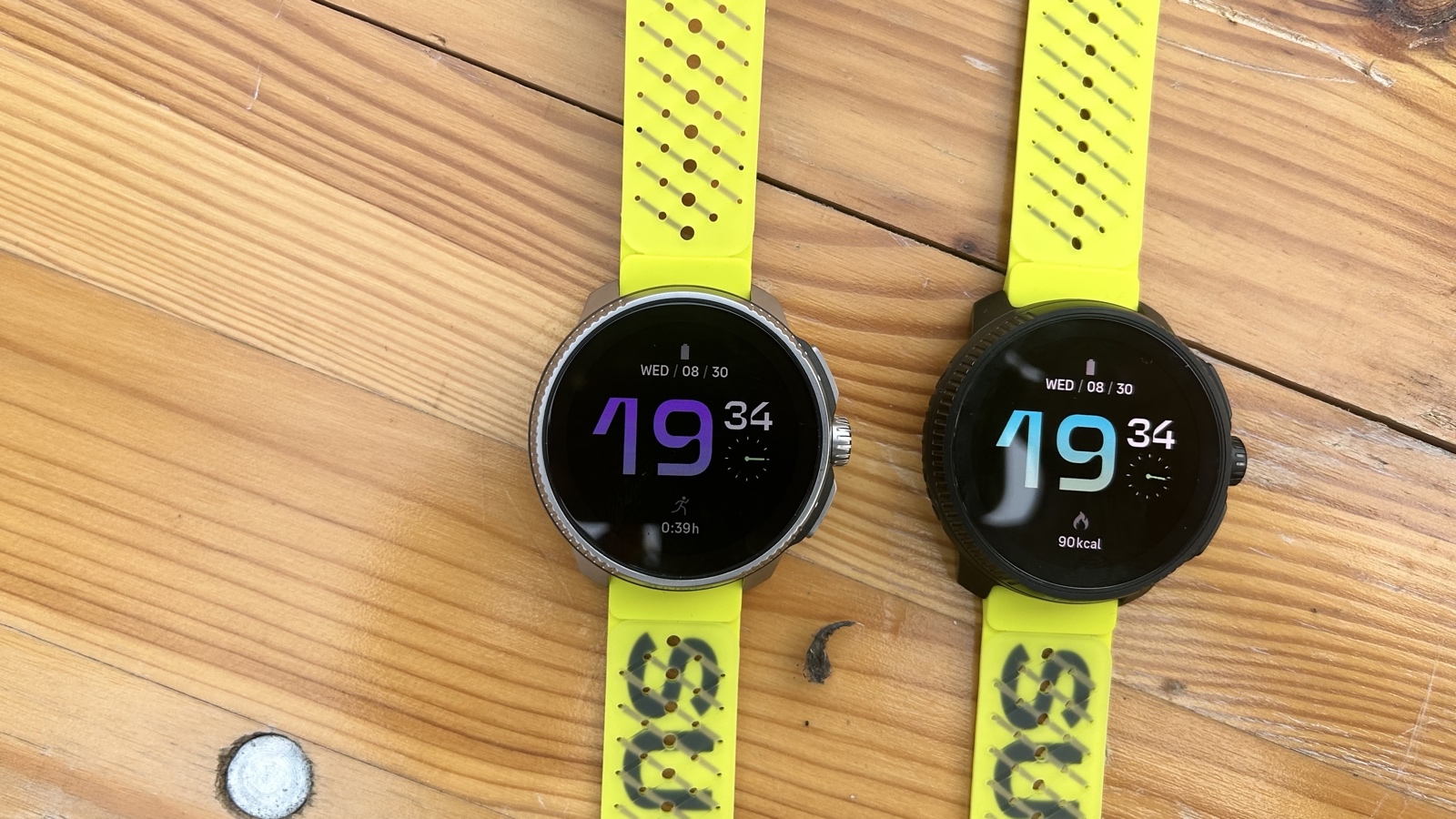
The Suunto Race feels like a watch Suunto should’ve launched a long time ago. With new owners maybe it’s been able to accelerate things to catch up with the competition and the Vertical was the first example of that.
What our early hands-on time tells us is that Suunto recognized that it had to make changes to the software to build on what it delivered on the Vertical.
It’s a watch that will be vying for those looking at watches like the Garmin Forerunner 965 and the newly announced Polar Vantage V3, and are happy to make some battery compromises to own a sports watch with an AMOLED screen. The signs are promising that the Race could be another important step on the road to recovery for Suunto. Here’s hoping that watch software is up to scratch.